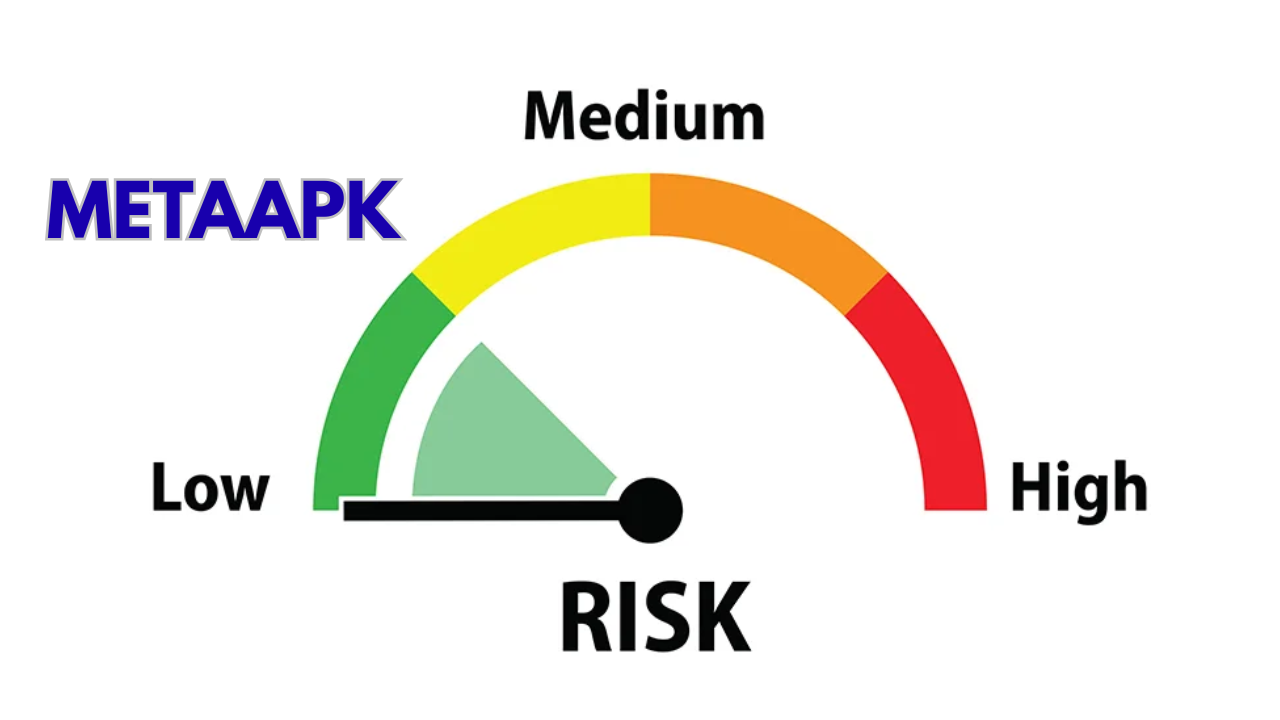
Not all investments require high risk to grow your money. Low-risk investments focus on capital preservation and steady returns. They are ideal for beginners, conservative investors, or anyone saving for short-term or specific goals.
1. Savings Accounts
Savings accounts offered by banks allow you to store money securely while earning interest. They are highly liquid and insured by banks or government schemes.
Advantages include safety, easy access to funds, and guaranteed interest.
Disadvantages include low returns, often below inflation.
2. Certificates of Deposit (CDs)
CDs are fixed-term deposits where you earn a guaranteed interest rate for a specific period, usually ranging from a few months to several years.
Advantages include predictable returns and low risk.
Disadvantages include limited liquidity and penalties for early withdrawal.
3. Government Bonds
Government bonds are debt securities issued by the government that pay regular interest and return the principal at maturity.
Advantages include very low default risk, predictable income, and capital safety.
Disadvantages include lower returns compared to stocks and exposure to inflation.
Examples include U.S. Treasury bonds, municipal bonds, or local government bonds.
4. Fixed Deposits (FDs)
Fixed deposits offered by banks provide a fixed interest rate for a set period. They are widely used in many countries for safe investment.
Advantages include guaranteed returns and capital safety.
Disadvantages include penalties for early withdrawal and returns often lower than market growth.
5. Money Market Funds
Money market funds invest in short-term debt instruments such as treasury bills and commercial paper.
Advantages include liquidity, safety, and stable modest returns.
Disadvantages include slightly lower returns than long-term investments and some minimal market risk.
6. Short-Term Bond Funds
Short-term bond funds invest in bonds with maturities of 1–3 years, offering moderate returns with lower volatility than stocks.
Advantages include higher returns than cash and more stability than long-term bonds.
Disadvantages include some interest rate risk and management fees.
7. Dividend-Paying Blue-Chip Stocks
Blue-chip companies with stable earnings often pay regular dividends. These stocks are relatively stable compared to growth stocks.
Advantages include steady income and potential capital appreciation.
Disadvantages include market risk and slower growth than aggressive stocks.
Risk vs Return Comparison
| Investment Option | Risk Level | Expected Return | Liquidity |
|---|---|---|---|
| Savings Account | Very Low | 1–3% | High |
| Certificates of Deposit | Low | 2–5% | Low–Medium |
| Government Bonds | Low | 3–6% | Medium |
| Fixed Deposits | Low | 3–6% | Low |
| Money Market Funds | Low | 2–4% | High |
| Short-Term Bond Funds | Low | 3–6% | Medium |
| Dividend-Paying Blue-Chip Stocks | Low–Medium | 4–7% | High |
How to Choose the Right Low-Risk Investment
Consider your financial goals, time horizon, and liquidity needs.
For quick access to money, savings accounts or money market funds are suitable.
For slightly higher returns with some lock-in, CDs, FDs, or government bonds are better.
For income with potential growth, dividend-paying blue-chip stocks or short-term bond funds are ideal.
Frequently Asked Questions
Can low-risk investments beat inflation
Some options like government bonds and dividend stocks may keep pace with inflation over time
Are low-risk investments completely safe
They are safer than stocks but may be affected by inflation or interest rate changes
Are low-risk investments suitable for beginners
Yes, they are ideal for building financial stability and confidence
Final Thoughts
Low-risk investments focus on safety and steady income rather than high returns.
They are perfect for beginners, risk-averse investors, or anyone saving for short-term goals.
A combination of these options can provide both capital protection and modest growth over time