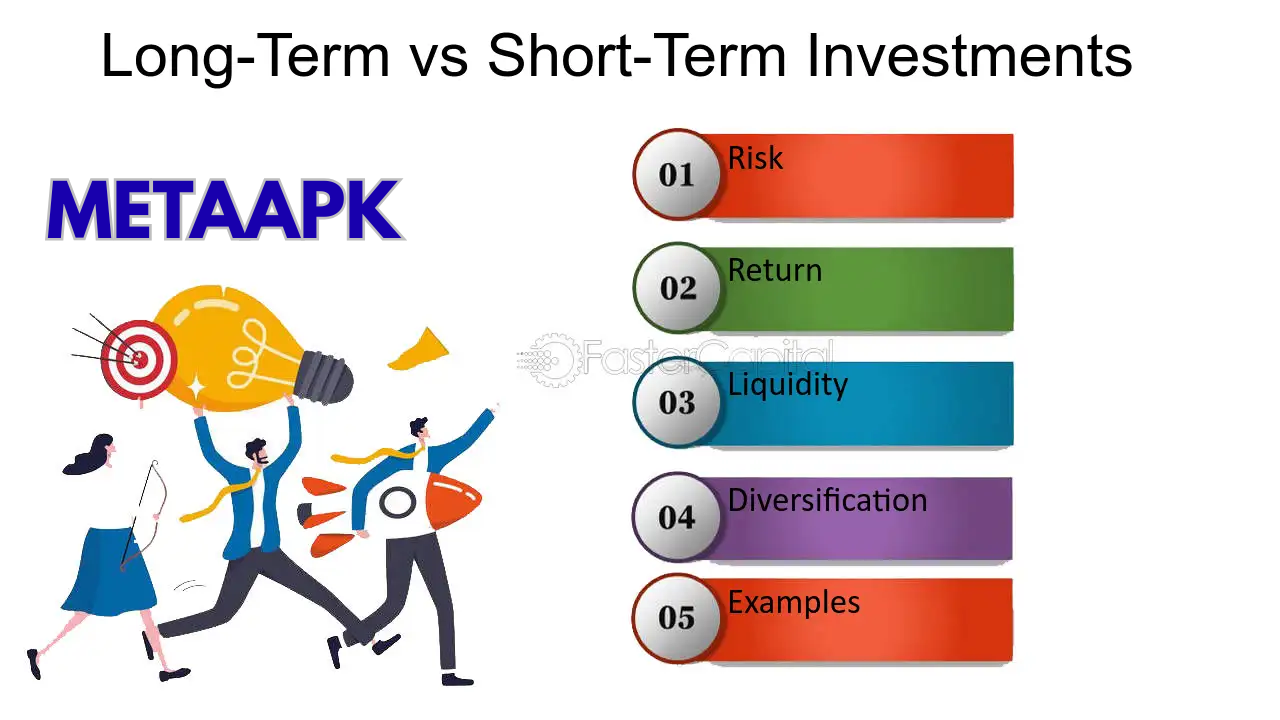
Investing can be broadly categorized into long-term and short-term strategies
Each type has its purpose risk level and potential return
Understanding the difference is crucial for building a portfolio that matches your goals
What Are Long-Term Investments
Long-term investments are assets you plan to hold for several years or even decades
They are designed to grow steadily over time and benefit from compounding
Examples include stocks of stable companies mutual funds index funds and retirement accounts
The goal is wealth accumulation and financial security over the long run
Advantages of Long-Term Investments
Higher potential returns because they capture overall market growth
Benefit from compounding interest and dividends
Lower transaction costs since frequent buying and selling is unnecessary
Reduces emotional decision making as short-term market fluctuations matter less
Disadvantages of Long-Term Investments
Money is tied up for an extended period and may not be accessible quickly
Requires patience and discipline
Short-term losses can occur during market downturns even if long-term outlook is positive
What Are Short-Term Investments
Short-term investments are assets held for a few days months or up to two years
They aim to provide quick returns and liquidity rather than long-term growth
Examples include money market accounts short-term bonds high interest savings accounts and trading stocks for quick profits
Advantages of Short-Term Investments
High liquidity as funds can be accessed quickly
Flexibility to adjust portfolio based on market conditions
Potential for quick profits during favorable market movements
Useful for funding short-term goals like buying a car or vacation
Disadvantages of Short-Term Investments
Lower returns compared to long-term investments
Higher risk if attempting frequent trading without experience
May incur higher transaction fees
More stress due to market volatility and frequent decision making
Key Differences Between Long-Term and Short-Term Investments
| Feature | Long-Term Investments | Short-Term Investments |
|---|---|---|
| Time Horizon | Years to decades | Days to 2 years |
| Risk | Moderate to high depending on asset | Can be high depending on market |
| Returns | Higher potential | Lower potential |
| Liquidity | Low | High |
| Taxes | Often lower due to long-term capital gains | Higher short-term capital gains taxes |
| Emotional Stress | Lower | Higher |
Which Is Better
Long-term investments are generally better for building wealth and achieving financial independence
Short-term investments are better for liquidity and funding immediate goals
Most investors benefit from combining both to balance growth and access to funds
Hybrid Strategy
Example portfolio
| Investment Type | Allocation | Purpose |
|---|---|---|
| Long-Term Stocks and ETFs | 70% | Wealth growth |
| Short-Term Bonds or Savings | 30% | Liquidity and safety |
This strategy allows steady growth while keeping some funds accessible
Frequently Asked Questions
Can I switch between short-term and long-term investments
Yes you can rebalance based on goals market conditions or life events
Are short-term investments safer
Not necessarily some short-term assets can be volatile
Do long-term investments guarantee profits
No but historically diversified portfolios tend to grow over time
Final Thoughts
Long-term investments focus on wealth accumulation and compounding over time
Short-term investments focus on liquidity and flexibility for immediate needs
A balanced approach combining both types can provide growth security and financial freedom