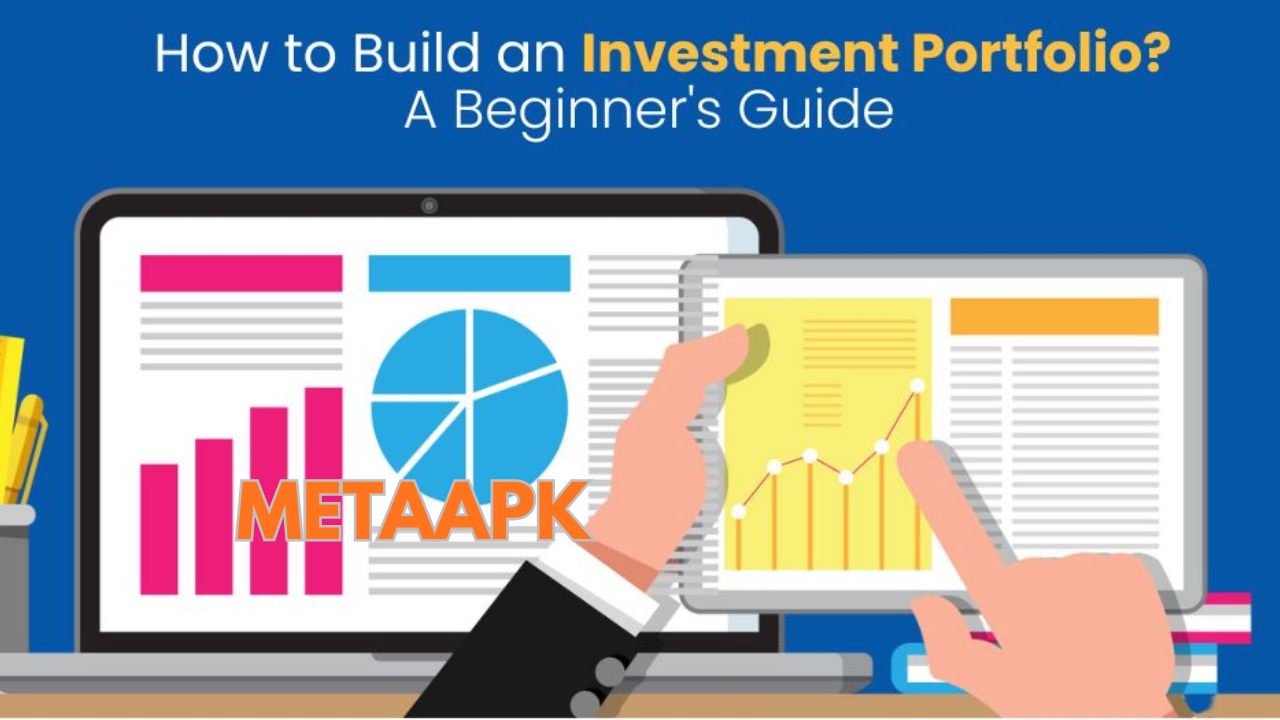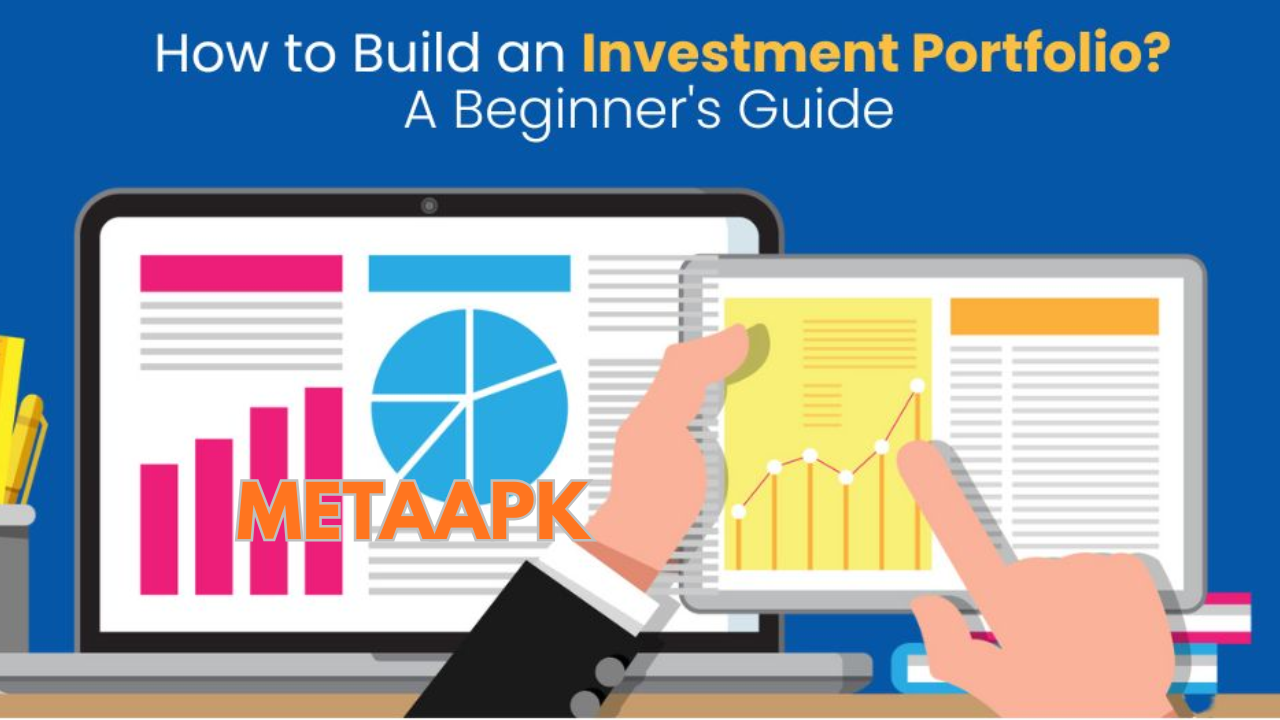
Diversification is a key strategy to reduce risk and improve long-term returns in investing. A diversified portfolio spreads your investments across different asset classes sectors and regions so that poor performance in one area does not severely impact your overall wealth.
Step 1: Define Your Financial Goals
Before building a portfolio, determine your goals. Are you investing for:
- Retirement
- Buying a house
- Children’s education
- Wealth accumulation
Your goals will dictate your investment horizon and risk tolerance.
Step 2: Understand Your Risk Tolerance
Assess how much risk you can handle. Factors to consider include:
- Age
- Income stability
- Investment experience
- Time horizon
Conservative investors prefer lower-risk assets, while aggressive investors may take on more stocks.
Step 3: Allocate Across Asset Classes
Diversification begins with spreading investments across asset classes:
| Asset Class | Typical Allocation | Purpose |
|---|---|---|
| Stocks | 50–70% | Growth |
| Bonds | 20–40% | Stability and income |
| Cash/Cash Equivalents | 5–10% | Liquidity and safety |
| Real Estate or REITs | 5–15% | Alternative growth and income |
Step 4: Diversify Within Asset Classes
Within each asset class, invest in multiple sectors, industries, or regions to reduce concentration risk.
Stocks
- Invest in different industries like technology, healthcare, and consumer goods
- Include both domestic and international stocks
- Use ETFs or mutual funds for easy diversification
Bonds
- Mix government and corporate bonds
- Include short-term and long-term bonds for balance
Real Estate
- Consider REITs or property funds
- Spread across residential, commercial, and industrial sectors
Step 5: Include Different Investment Styles
Balance between:
- Growth investments for capital appreciation
- Value investments for stability
- Dividend-paying investments for passive income
Step 6: Rebalance Regularly
Over time, asset values change and may skew your portfolio. Rebalancing restores your original allocation.
- Review annually or semi-annually
- Sell some overperforming assets and buy underperforming ones
- This maintains your intended risk level and strategy
Step 7: Monitor and Adjust
Stay informed about market trends and economic conditions
Adjust your portfolio only when your goals, risk tolerance, or market fundamentals change
Example Diversified Portfolio
| Asset Class | Allocation | Purpose |
|---|---|---|
| Domestic Stocks | 35% | Core growth |
| International Stocks | 15% | Global exposure |
| Bonds | 30% | Stability and income |
| Real Estate / REITs | 10% | Alternative growth |
| Cash / Money Market | 10% | Liquidity |
Benefits of a Diversified Portfolio
- Reduces risk by spreading exposure
- Smooths returns across market cycles
- Provides both growth and income opportunities
- Protects against unexpected market downturns
Frequently Asked Questions
Is diversification guaranteed to prevent losses
No, but it reduces the impact of poor performance in one area on the overall portfolio
How often should I rebalance
Typically once or twice a year, or when allocations shift significantly
Can a small investor build a diversified portfolio
Yes, using ETFs, mutual funds, and fractional shares allows even small portfolios to be diversified
Final Thoughts
A well-diversified portfolio balances risk and reward while aligning with your financial goals
Start with a clear plan, allocate across asset classes, diversify within them, and rebalance regularly
Diversification is not a one-time task but an ongoing strategy for long-term investment success